Oat Milk: The Dairy Alternative Everyone’s Talking About
In the age of ‘alternative everything’, oat milk has become the darling of the dairy-free movement. But is it really as healthy as it claims to be? Let’s spill the tea on this creamy contender.
The Nutritional Breakdown
Oat milk typically boasts a few benefits over traditional cow’s milk, but it’s important to read the labels. Here’s a quick comparison:
- Calories: Oat milk generally has fewer calories than full-fat milk, but some brands pack in added sugars.
- Fat: It’s low in saturated fat, making it a heart-friendly option.
- Protein: Oat milk is lower in protein compared to cow’s milk, which is a concern for those looking to bulk up their intake.
- Vitamins: Many brands fortify oat milk with vitamins D and B12, which can be beneficial, especially for vegans.
In one 200ml serving of unsweetened oat milk, you can find about 40-50 calories, which is spot on for a low-calorie drink. Just be careful with sweetened varieties; they can easily jump to 120 calories!
Is It Actually Healthy?
Oat milk is often touted as a great source of fibre, particularly beta-glucans, which are known for their heart-health benefits. This makes it a great alternative for those looking to manage cholesterol levels.
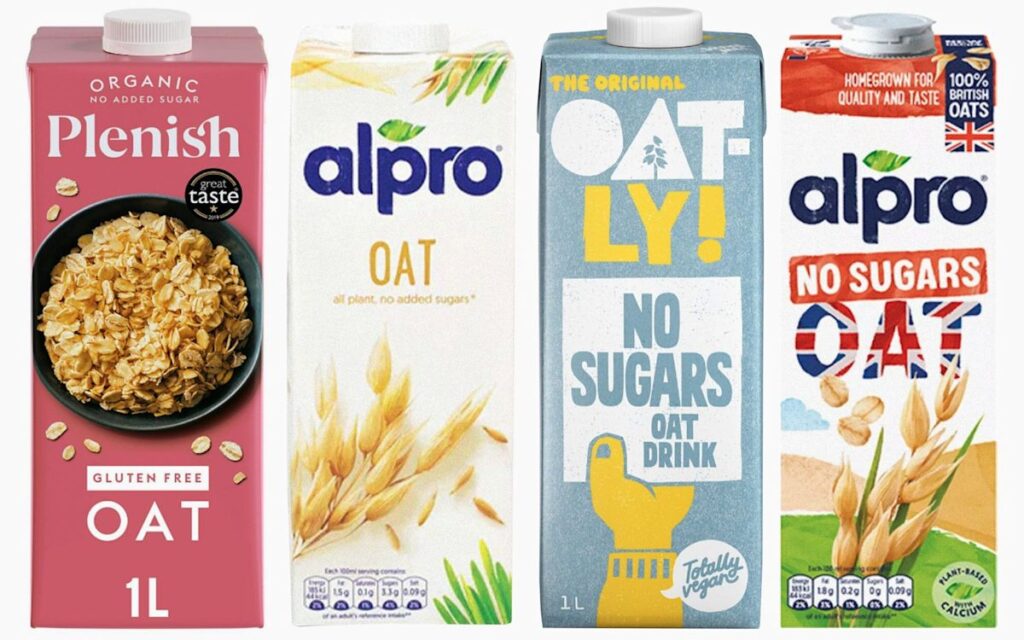
However, the devil is in the details. Some oat milks are heavily processed and can contain additives, stabilisers, and sweeteners that might negate health benefits. Always check the ingredients list – if it looks like a chemistry experiment, it’s probably best avoided.
Oat Milk Myths Debunked
Now, let’s clear up some common misconceptions:
- Myth 1: Oat milk is gluten-free. Truth: It can be, but only if it’s labelled as such. Many oats are processed in facilities that handle gluten, so beware if you have celiac disease.
- Myth 2: It’s a direct substitute for cow’s milk. Truth: While it can work in tea and coffee, its unique flavour may not suit every dish, especially in baking.
Environmental Considerations
If you’re concerned about your carbon footprint, oat milk has a lower environmental impact compared to almond milk and dairy. It requires less water to produce and emits fewer greenhouse gases, making it a winner for eco-conscious consumers.
So, Should You Swap Your Milk?
The answer isn’t black and white. If you’re lactose intolerant, vegan, or just love the taste, oat milk is a solid choice. But if you rely on milk for protein, you might want to mix it up with other sources.
Ultimately, whether oat milk is healthy depends on the brand you choose and how it fits into your overall diet. Want to give it a try? Make sure to experiment with different brands to find your perfect match!
What’s your take on oat milk? Have you found your go-to brand, or are you still on the fence?