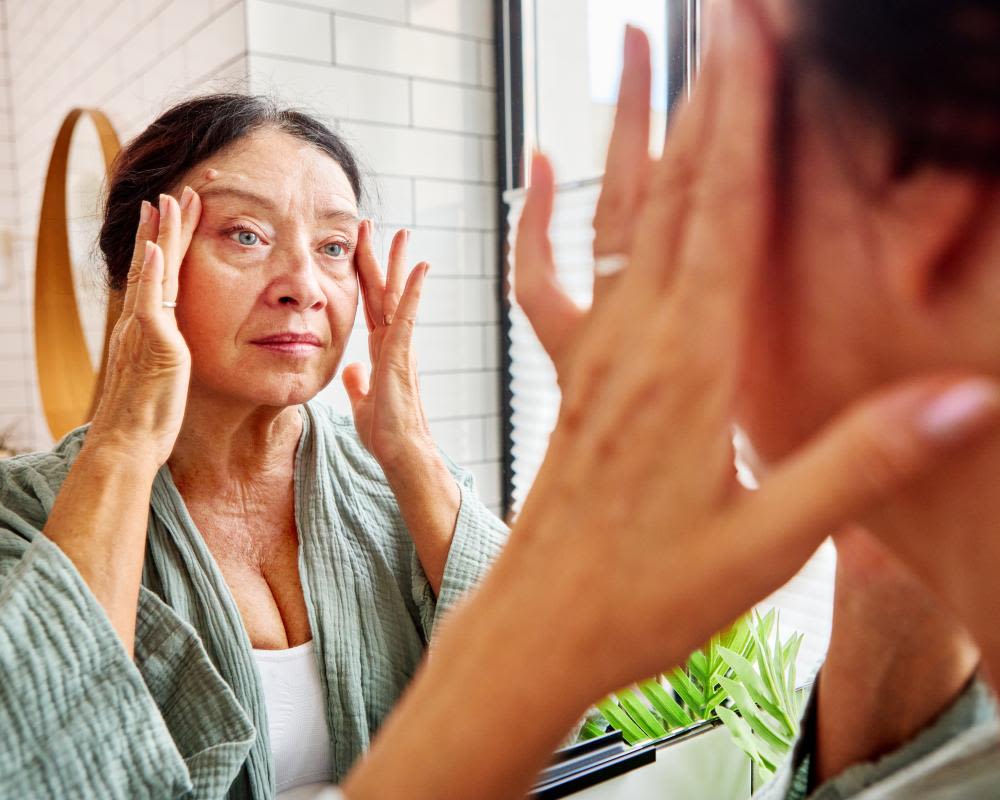
What is Ferritin Face?
Heard the whispers about ‘Ferritin Face’? If you’re scrolling through TikTok or Instagram, it’s hard to miss the buzz about this new health concern. Initially dismissed as just another social media fad, it’s now raising eyebrows and prompting some serious discussions about our health.
Understanding Ferritin Levels
Ferritin is a protein that stores iron in your body, and low ferritin levels can lead to a host of issues, including fatigue and anaemia. The recent discussions point to a peculiar phenomenon where low ferritin levels allegedly manifest in changes to our appearance, particularly our skin. So, what does that really mean, and should we be worried?
Signs You Might Have Ferritin Deficiency
Before you jump onto TikTok to check your own ferritin levels, here are some signs that could indicate you might need to have a chat with your GP:
- Persistent fatigue even after a good night’s sleep
- Unexplained hair loss
- Pale or dull skin
- Frequent headaches or dizziness
Feeling a bit knackered lately or noticing your skin’s looking a tad lacklustre? You’re not alone!
Why the Rise in Awareness?
Social media has an uncanny ability to amplify health trends, and the rise of ‘Ferritin Face’ is no exception. Influencers and health enthusiasts are sharing their experiences, often leading to a mix of genuine concern and a fair bit of misinformation. While it’s great to bring awareness to health conditions, not every viral trend is based on solid science.
Consult the Experts
Before you start fretting over your complexion or rifling through your bathroom cabinet for iron supplements, it’s crucial to consult a healthcare professional. They can conduct simple blood tests to determine not only your ferritin levels but also address any underlying health concerns. Remember, self-diagnosis is a faff we can all do without!
How to Boost Ferritin Levels
If you find out that your ferritin levels are indeed on the lower side, here are a few easy ways to give them a boost:
- Eat Iron-Rich Foods: Red meat, beans, lentils, and spinach can help increase your iron levels.
- Vitamin C: Pairing iron-rich foods with vitamin C (think oranges or red peppers) helps with absorption.
- Limit Coffee and Tea: These can inhibit iron absorption, especially when consumed around mealtimes.
Keep the Conversation Going
The internet is a vast place, but your health should be a priority. While ‘Ferritin Face’ might grab your attention, staying informed and proactive about your health is what truly matters. Have you experienced any of the symptoms? Share your thoughts with us!