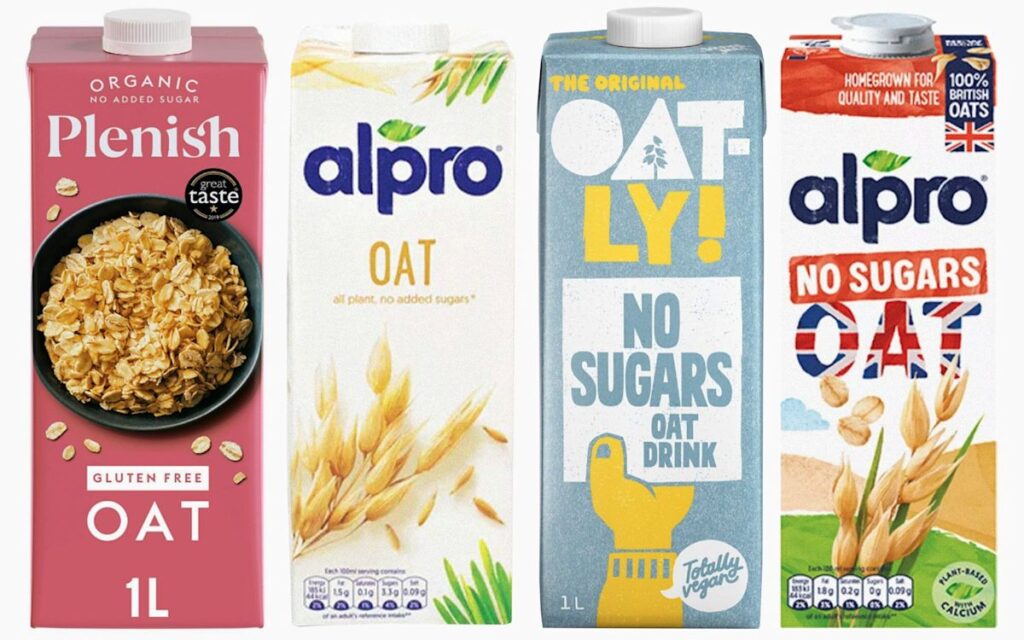
What’s in Oat Milk?
So, you’ve probably seen oat milk popping up everywhere—coffee shops, the fridge at your local supermarket, even on your mate’s Instagram feed. But just how good is this creamy alternative? Let’s break down what’s in it. Typically made from water and oats, oat milk often has added ingredients like oils, sugars, and vitamins. Here’s the usual breakdown:
- Oats: Packed with fibre, they’re great for your gut.
- Fats: Some brands add oils for a creamier texture.
- Sweeteners: Be wary—some can be loaded with sugars.
- Vitamins: Often fortified with B vitamins and calcium.
Caloric Content: A Closer Look
When weighing up oat milk’s health credentials, the calorie count is key. Generally, it contains fewer calories than whole milk but more than almond milk. If you’re mindful of your caloric intake, always check the label because sweetened versions can ramp up the numbers significantly. It’s a bit like deciding whether to order a low-fat muffin or a chocolate brownie; make sure you’re not just trading one issue for another.
Benefits of Oat Milk
Oat milk does bring some benefits to the table:
- Cholesterol Friendly: Oats are known for helping lower cholesterol levels.
- Gut Health Booster: Rich in beta-glucans, they can support gut health.
- Dairy-Free Delight: Ideal for those with lactose intolerance or following a vegan diet.
Possible Drawbacks
But it’s not all sunshine and rainbows. Here are a few things to consider:
- Sugar Levels: Some oat milk brands add sugars to enhance taste. Keep an eye out for those that list sugar as one of the first ingredients.
- Fibre Fact: Oat milk is lower in fibre than whole oats, so it might not be as filling.
- Possible Allergens: Oat milk isn’t suitable for those with gluten allergies unless specified gluten-free.
Oat Milk vs. Other Alternatives
Wondering how it stacks up against almond, soy, or coconut milk? Oat milk is often creamier and can froth beautifully—making it top choice for baristas. However, it might not be as protein-rich as soy milk, which packs a punch with its amino acids. If you’re after a low-calorie option, almond milk typically sits lighter on the calories. Your choice really depends on what you’re looking for!
Final Thoughts
So, is oat milk healthy? It can be if you choose wisely. Opt for unsweetened varieties and check out the ingredient list to avoid those hidden sugars. Like all things, moderation is key. Keep it in the mix but don’t forget about the good old cow’s milk or soy options as well. Got a go-to milk alternative? Let us know in the comments!