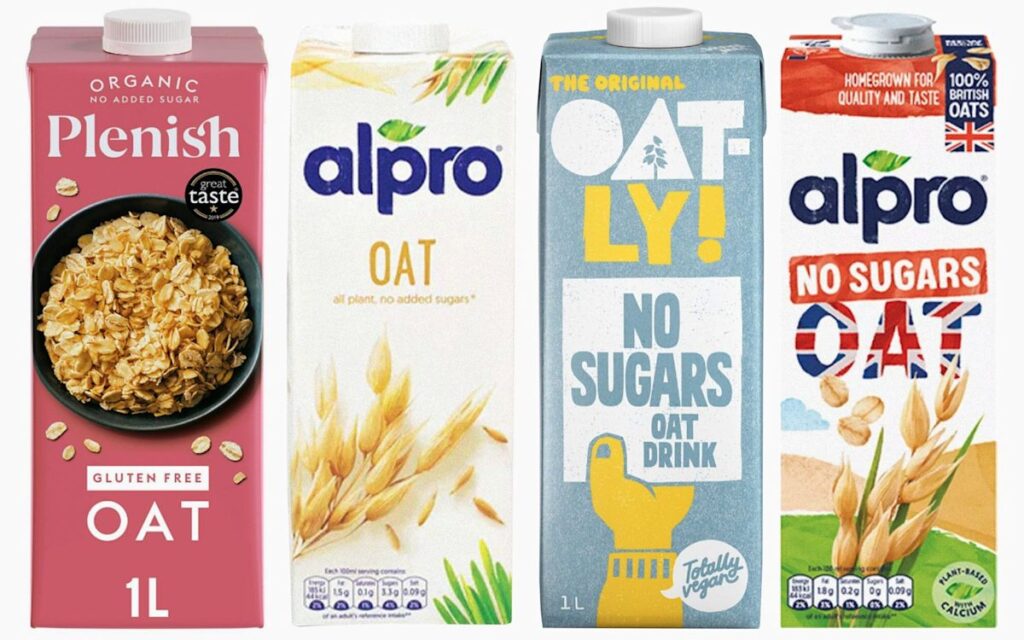
The Rise of Oat Milk
Oat milk has taken the UK by storm, and it’s not just because it’s a TikTok star. You’ve likely seen it in your local café, drizzled over your flat white or nestled in a bowl of porridge. But is this creamy alternative genuinely healthy, or is it just another trendy fad for health-conscious millennials?
What’s in Oat Milk?
To understand if oat milk deserves a seat at your breakfast table, let’s break down what’s actually in it. Made primarily from oats and water, it’s often enhanced with added vitamins and minerals. Here’s a quick overview of the typical ingredients:
- Oats: The base of the milk, packed with fibre.
- Water: Essential for the blending process.
- Vitamins: Commonly fortified with B vitamins, calcium, and vitamin D.
- Oil: Some brands include a small amount of oil for creaminess.
- Sweeteners: Depending on the brand, you might find added sugars—definitely worth checking.
Health Benefits
Oat milk isn’t just a pretty face; it does pack some nutritional punches:
- Fibre Content: Oats are rich in beta-glucans, a type of soluble fibre that’s great for heart health.
- Low in Allergens: Oat milk is dairy-free and suitable for those allergic to soy or nuts.
- Satiety: Its creamy consistency may help keep you feeling fuller for longer.
What to Watch Out For
Before you dive in, here are a couple of things to be cautious about:
- Added Sugars: Some brands can be a bit cheeky, loading up on sweeteners to enhance flavour. Always check the label.
- Calories: While oat milk can be lower in calories than whole milk, those extra calories can stack up quickly—especially if you’re downing multiple lattes a day.
Remember, not all oat milks are created equal! Opt for unsweetened varieties when you can to keep the sugar in check.
Oat Milk vs. Other Alternatives
How does oat milk stack up against almond, soy, and coconut milk? Here’s a quick rundown:
- Almond Milk: Lower in calories but also lower in protein.
- Soy Milk: Higher in protein, but can cause allergic reactions for some.
- Coconut Milk: Creamy but higher in saturated fat.
Ultimately, it boils down to personal preference and dietary needs.
Should You Make the Switch?
If you’re lactose intolerant, vegan, or simply looking to mix things up, oat milk can be a delicious addition to your diet. Just keep an eye on the sugar content and aim for fortified versions to get those essential nutrients.
So, is oat milk healthy? It definitely has its benefits, but like anything, moderation is key. It’s a spot-on option for some, while others might prefer sticking to traditional dairy or other plant-based milks. What’s your favourite milk alternative? Let us know!